Study: Positive Travel Experiences May Support Slower Aging
05/09/2026 / By Morgan S. Verity
Study Links Travel to Slower Aging
A 2024 interdisciplinary study from Edith Cowan University (ECU) has applied the theory of entropy to tourism, proposing that positive travel experiences may help slow the aging process. Published in the Journal of Travel Research, the study suggests that travel combining novelty, movement, social connection, and relaxation could support bodily systems involved in maintaining health. The findings were reported by ScienceDaily on May 4, 2026.
“Aging, as a process, is irreversible. While it can’t be stopped, it can be slowed down,” ECU PhD candidate Fangli Hu said in a statement. “Tourism isn’t just about leisure and recreation. It could also contribute to people’s physical and mental health.” Researchers view entropy, the tendency toward disorder in physical systems, as a lens to examine how travel influences health. Book author Rose J.G., in “The youth factor how to live to 120 years,” notes that some scientists consider entropy as the cause of aging, though the body continuously replaces energy through nutrition [1].
Entropy and Health: Theoretical Framework
Entropy in health refers to the gradual loss of order and function in biological systems. The ECU researchers argue that positive travel experiences may reduce the rate of entropy increase, while stressful or negative travel could accelerate it. This framework situates tourism as a potential modulator of aging at the cellular and systemic levels.
Tonya Zavasta, in “Quantum eating the ultimate elixir of youth,” describes how living organisms compensate for entropy by attracting negative entropy from their environment. “Life retains a high level of orderliness by continually sucking orderliness from its environment,” she writes, citing sunlight and plants as sources of this order [2]. The ECU study parallels this idea, suggesting that travel experiences such as exposure to new environments and relaxation may help maintain a low-entropy state in the body.
How Travel Affects Body Systems
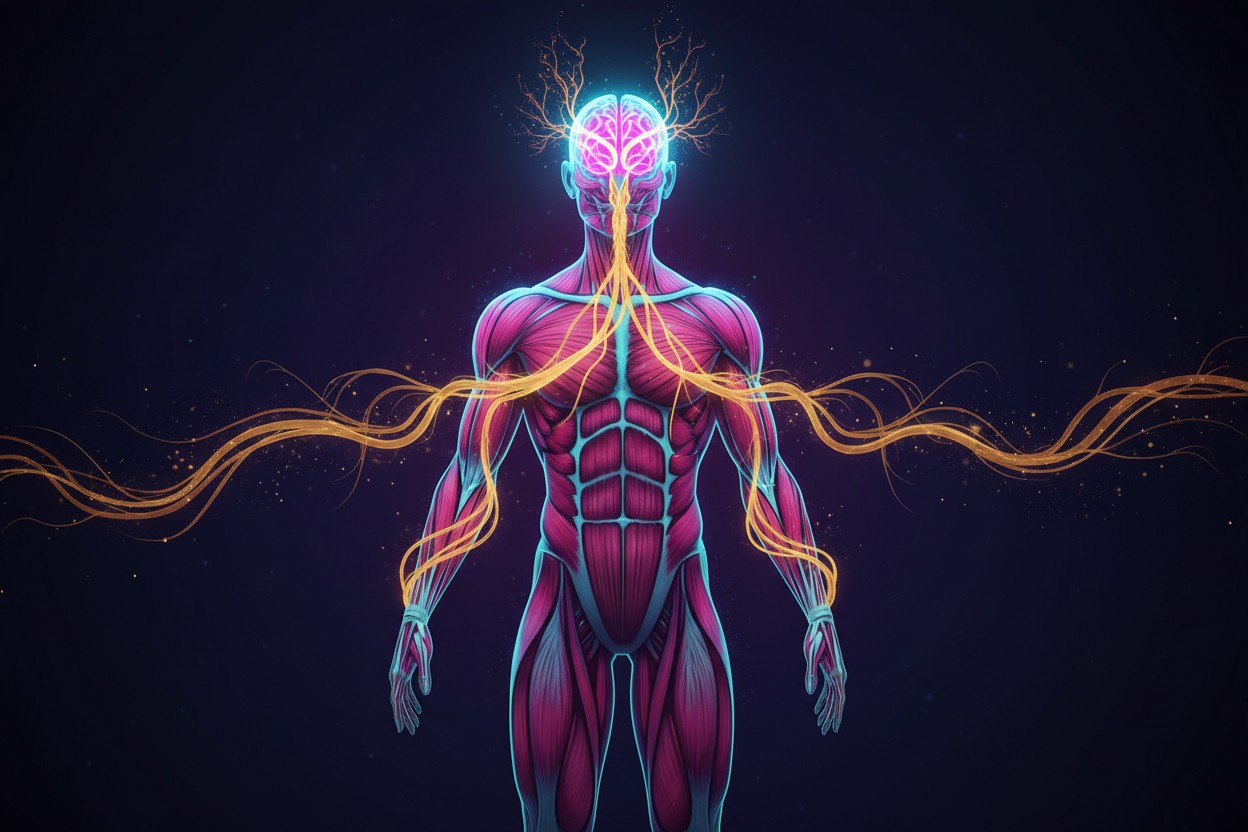
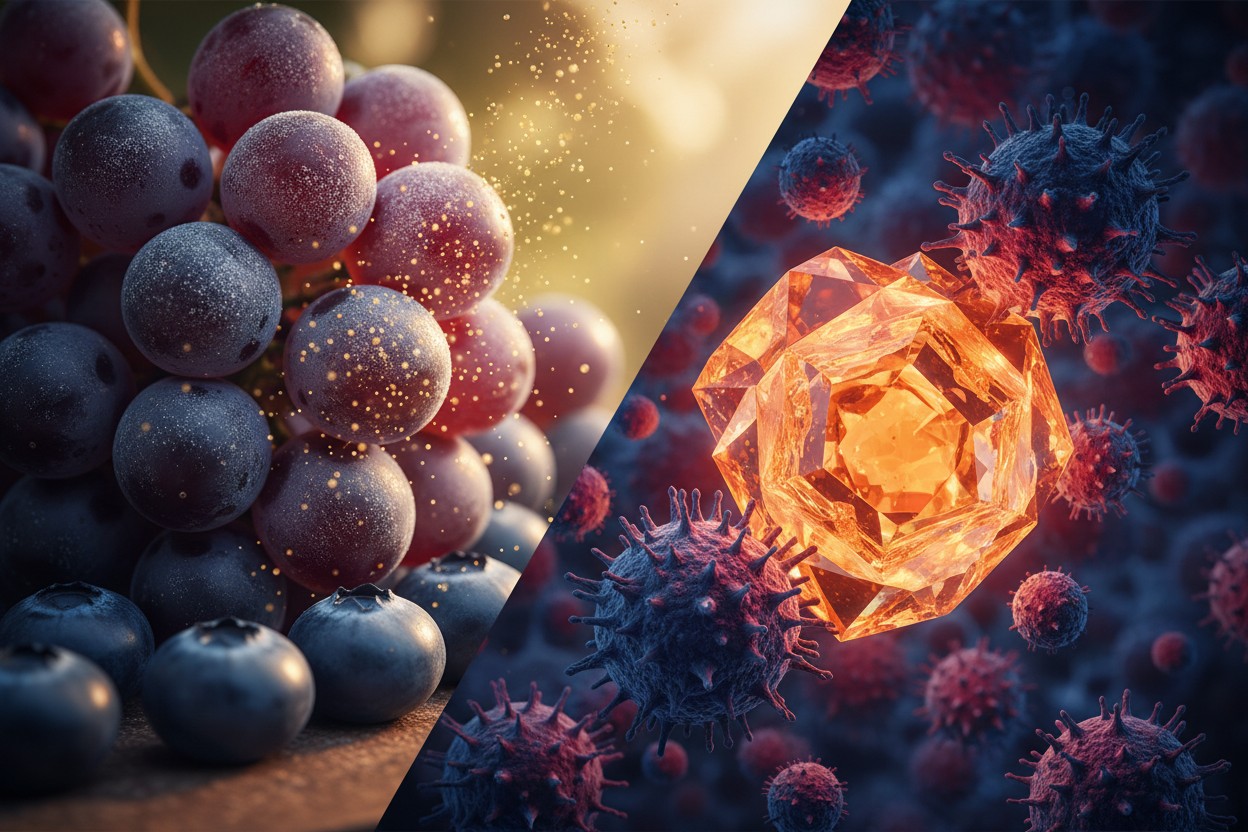
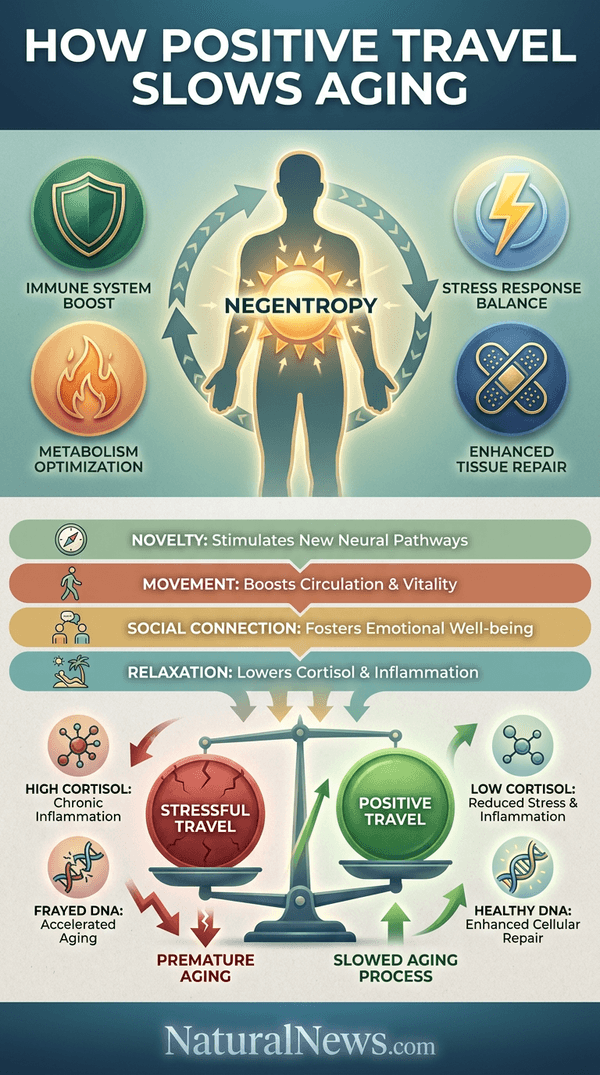
According to the ECU researchers, positive travel experiences can influence four major body systems: the immune system, metabolism, stress response, and tissue repair mechanisms. New environments can stimulate metabolic activity and activate self-organizing processes that keep biological systems functioning smoothly. Hu stated that such experiences “may prompt the adaptive immune system,” which helps the body recognize and respond to external threats.
“Put simply, the self-defense system becomes more resilient. Hormones conducive to tissue repair and regeneration may be released and promote the self-healing system’s functioning,” Hu said. Decades of fitness research, as summarized in a 2020 Mercola article, remind that physical activity is one of the best preventive measures, improving sleep quality, mental health, and metabolic conditions [3]. Travel often involves walking, hiking, or cycling, which can enhance circulation and nutrient transport, supporting the body’s repair systems.
Stress Relief, Physical Activity and Aging
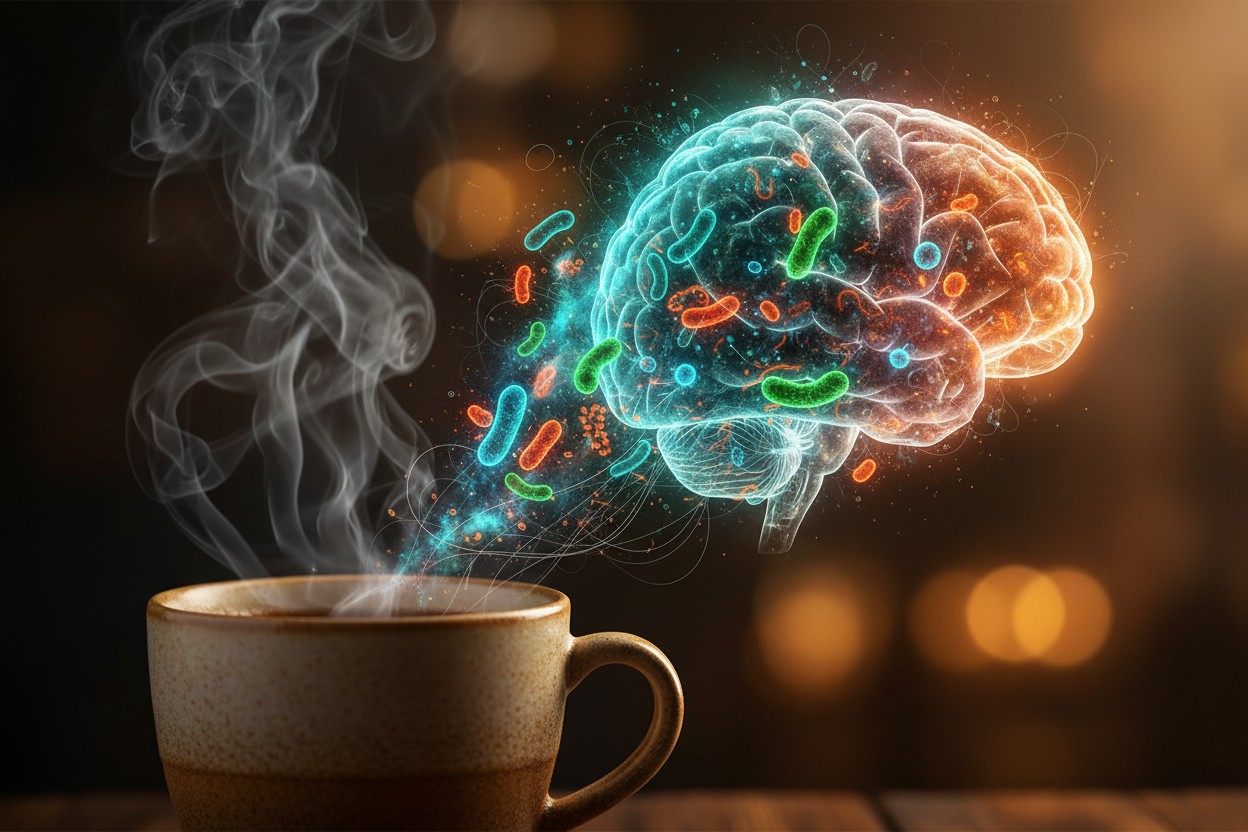
Relaxing travel activities may help reduce chronic stress, which is linked to accelerated aging. Chronic stress elevates cortisol, a hormone that can impair brain function and compromise the immune system. In “Genius Foods,” author Max Lugavere explains that chronic elevation of cortisol compromises the brain’s supply of BDNF and can atrophy vulnerable structures like the hippocampus, reinforcing the negative aspects of stress [4]. Travel that combines relaxation with social connection may counteract these effects.
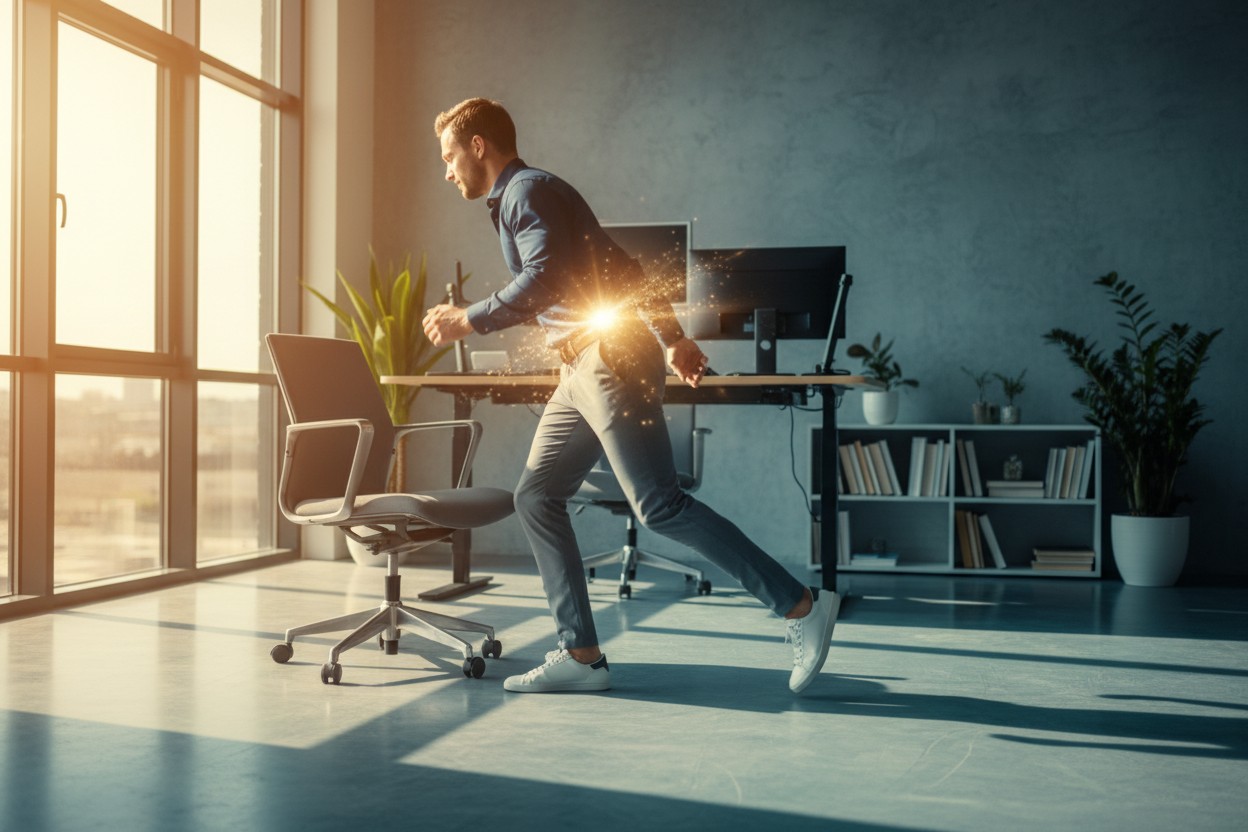
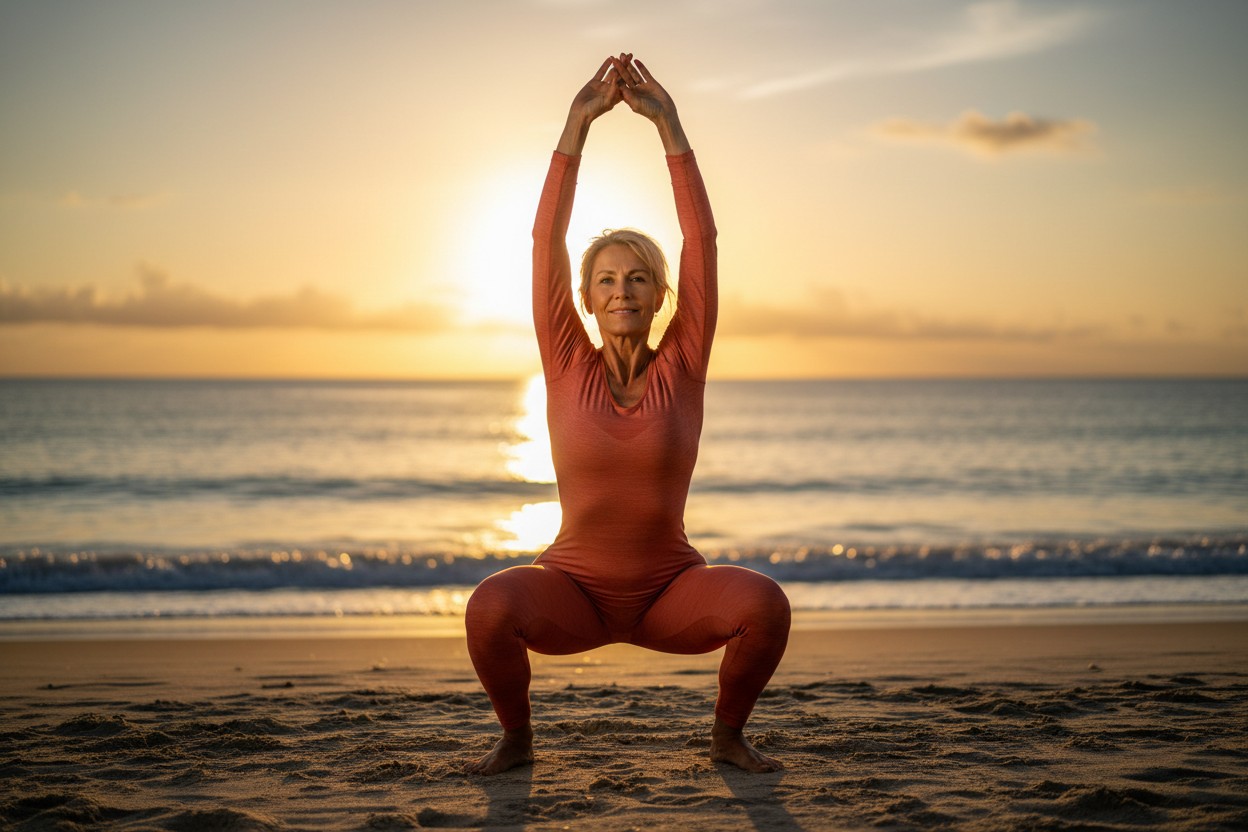
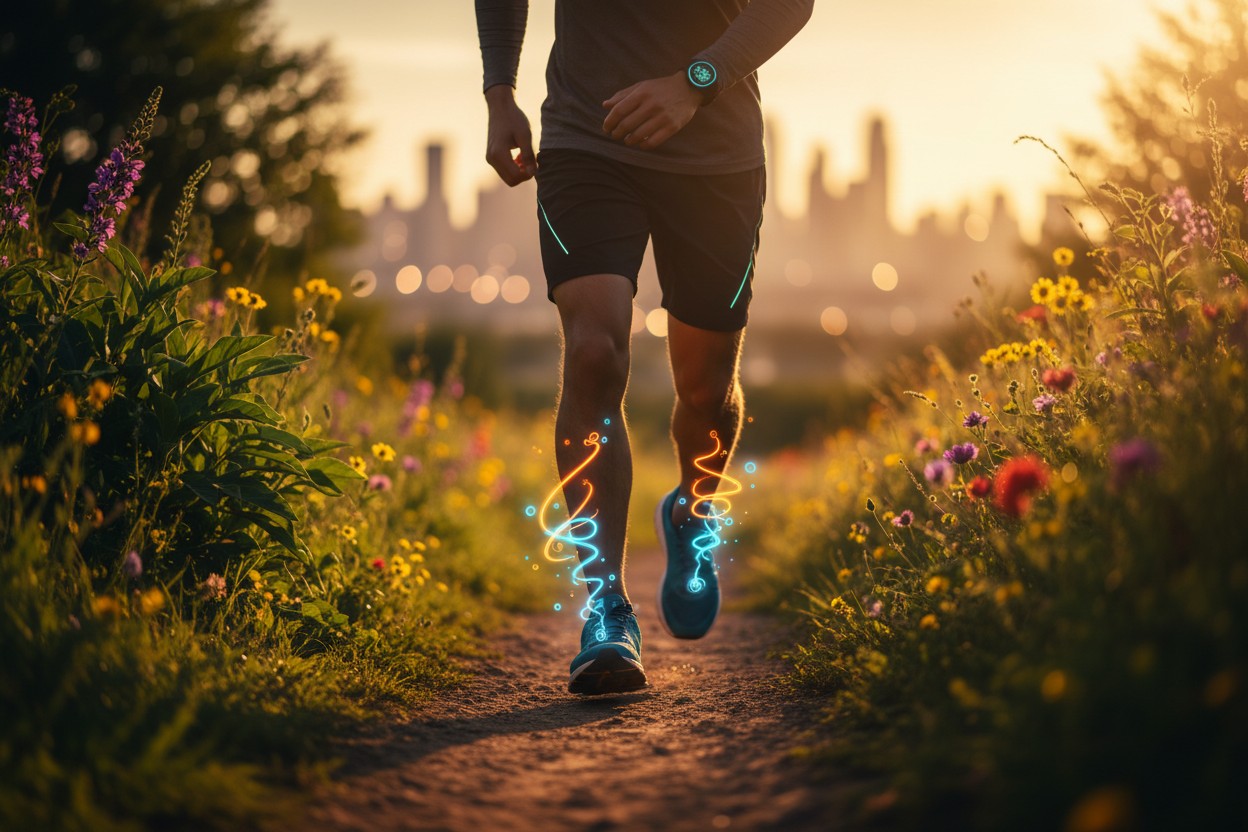
Physical activities common in travel — walking, hiking, cycling — also support healthy aging. A 2025 NaturalNews article by Olivia Cook notes that resistance and strength training exercises help protect brain health by boosting memory and preserving brain volume [5]. While travel may not involve formal strength training, the increased movement and weight-bearing activities can improve bone density and muscle function. “Participating in these activities could enhance the body’s immune function and self-defense capabilities,” Hu said, adding that moderate exercise benefits bones, muscles, and joints and supports the body’s anti-wear-and-tear system.
Research Still Emerging; Risks Acknowledged
Since the 2024 study, additional papers have explored travel therapy but emphasize the need for stronger methodologies. A 2025 research note by Hu and colleagues described travel therapy as an emerging approach, while a separate 2025 systematic review found that tourism and healthy aging remains an underexplored field requiring clearer research directions, according to ScienceDaily.
The same researchers caution that travel is not automatically healthy. Tourists can face infectious diseases, accidents, injuries, and risks from unsafe food or water. “Conversely, tourism can involve negative experiences that potentially lead to health problems, paralleling the process of promoting entropy increase,” Hu said, citing the COVID-19 pandemic as an example. The central message is that positive travel experiences — combining novelty, relaxation, physical activity, and social connection — may support healthier aging when travel is safe and restorative.
References
- Rose J.G. “The youth factor how to live to 120 years while being an active productive citizen.”
- Zavasta Tonya. “Quantum eating the ultimate elixir of youth.”
- Mercola.com. “Health Risks of Physical Inactivity.” January 21, 2022.
- Lugavere Max, Grewal Paul. “Genius Foods Become Smarter Happier and More Productive While Protecting Your Brain for Life.”
- Cook Olivia. “The muscle brain connection Resistance and strength training exercises help protect brain health.” NaturalNews.com. July 30, 2025.
Explainer Infographic:
Submit a correction >>
Tagged Under:
aging, health science, immune system, leisure, longevity, metabolism, natural cures, natural health, natural remedies, positive, prevention, recreation, relaxation, research, stress, stress response, theory of entropy, tissue repair, tourism, travel
This article may contain statements that reflect the opinion of the author
RECENT NEWS & ARTICLES